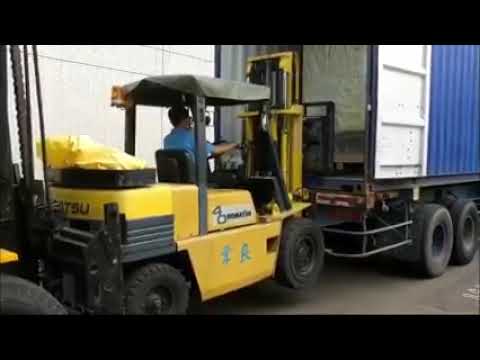
A flow rack warehouse is an effective way of storing and moving flow racks. These racks are a storage solution that helps materials move in one direction through a warehouse. There are different flow rack warehouses, each offering benefits depending on your needs. Let me walk you through the most common flow rack warehouses and their various functions that you could consider.
What Is A Flow Racks Warehouse?
Flow rack warehouse is a tool that automates
your storage and retrieval system to store bulk merchandise and materials. It
consists of upright columns with support frames, vertical beams, and horizontal
beam assemblies. S-shaped or Z-shaped hook retainers interconnect the vertical
shafts and the top beam. These flow racks can move in one direction under
automated control.
Usually, this type of rack is mostly steel,
but wooden flow racks are also used in some cases to store goods that are not
too heavy.
It was first used after World War II when
businesses and factories needed storage. The flow rack is designed for the
efficient flow of the production line to be re-configured easily if necessary.
The system can rearrange stocks based on seasons or the availability of items
in stock (for example, toys during the holidays).
Usually, it has a system that automatically
takes the flow racks from the stores and brings them to the stock
pick-up/receiver area. Moreover, it can also have a belt conveyor. Finally, a
loop enables you to store flow racks in straight lines or curves, allowing all
flow rack locations.
What Are Flow Racks?
A flow rack warehouse is a tool that helps you
store and display your products. Flow racks are extensive equipment used to
move goods in tandem with a flow rack warehouse. Generally made of metal, the
flow racks possess two to five pallet flow systems depending on their size. You
can find these flow racks in manufacturing facilities, warehouses, distribution
centers, retail stores, supermarkets, restaurants, etc. They are often
custom-made or built for a specific need to maximize their value for your
business if you are using one in your facility.
You can adjust your flow racks according to
your warehouse needs. The design flow of the items from the aisle ends and from
all over the flow rack warehouse systematically.
For
example, select one with a narrow aisle track system if you want to use it in
an area with limited floor space, such as a small factory or workshop. However,
when you have long distances between your machines, I recommend choosing a coil
flow racks warehouse with a drive-in system is recommended. Thus, it is
necessary to consider several factors before purchasing flow rack warehouses so
you can get the most out of them.
Different Uses Of Flow Racks Warehouse
Here are the different uses of these racks in
your warehouse:
- Storing various products in the
backroom before moving the items to another location in the warehouse.
- You can use flow racks warehouse
when you need to temporarily store your inventory, not to occupy space in
your loading dock or trucking area. It allows additional room for trucks,
trailers, and workers to move around.
- Flow rack warehouse allows you to
make the most of your storage space. It enables you to store more products
designed for less room with parallel beams and upright columns to use all
available space without waste. It also helps maximize your company's
efficiency, cut costs, and avoid inventory damage.
- If you want to make loading and
unloading your products more accessible, use this equipment to bridge the
storage racks and trucks.
- You can save on labor costs because the flow racks warehouse will do some heavy lifting for you. You need not hire extra staff to move a pallet from one place to another. Moreover, this equipment also helps prevent injuries and accidents when handling your cargo manually.
Outdoor Furniture Flow Racks
They used outdoor furniture flow racks to
store and transport tubular steel furniture. The flow racks possess two
separate paths to enable multiple pallets to flow simultaneously. It combines
high strength with practical functionality while still light enough for one
person to move around the site quickly. In addition, it moves around during
installation to fit through any door or other small opening.
Coil Flow Racks
Many coil flow racks sometimes make choosing
one suitable for your business challenging. In addition, they still require
power to run a pallet flow system. Therefore, it is essential to find coil flow
stacks that are also environmentally friendly.
This flow rack can flow a coiled product that
weighs up to 30 tons. It possesses an entry height of 3 meters. Over short
distances, you can move the flow racks manually or with a forklift truck,
making them great for international transport via containers. However, when you
have long distances between your machines, I recommend choosing a coil flow
racks warehouse with a drive-in system.
Types Of Flow Racks Warehouse
The most common flow rack warehouses are:
- Straight flow racks.
- Parallel flow racks.
- Full-span flow racks.
- Narrow aisle racking systems.
- Mini flow rack systems.
- Selective pallet racking.
Straight Flow Racks
Straight flow racks containing many pallets in
manufacturing and distribution facilities require multiple flow paths.
Therefore, build with many rows that enable flow from one end without moving
pallets every time it acts. In general, straight flow racks possess more
rollers for the smooth movement of goods.
Parrell Flow Racks
These are usually used in warehouses with
limited space but need to support lengthy loads, such as long sheets or pipes.
They allow you to easily position stacks of materials where trucks can pick
them up directly from the pallet flow rack. The compact design is particularly suitable
for warehouses with a limited number of flow paths available.
Full Span Flow Racks
It is the most efficient flow rack warehouse.
It can store long or heavy products, such as beams or pipes. This type of flow
rack has a high capacity and is designed with extra columns to maximize storage
space while allowing forklift access on both sides. Full-span pallet racking
also has rollers attached at every level, so there is no need to move the goods
every time it acts.
Narrow Aisle Racking Systems
You usually see these in warehouses with large
warehouses. They are suitable for transporting goods and quickly moving around
the warehouse. The narrow aisle system has many rollers to flow smoothly
without being lifted by pallets every time it acts.
Mini Flow Rack Systems
As the name suggests, this type of flow rack
warehouse is smaller than other systems. It possesses fewer rollers designed to
load and unload goods manually or with a forklift truck. You can use mini flow
racks in warehouses with limited space but require forklifts for
transportation. These types of flow racks are also known as warehouse aisle
carts.
Selective Pallet Racking
This type of flow rack warehouse serves as a
great solution for warehouses that require storage for many goods, but limited
space is available. The selective pallet racking system has rollers at the end
instead of along the entire length of a conveyor queue. This design saves space
while allowing forklifts to access the goods on the floor.
Conclusion
Flow racks help you move things in the most
efficient, timely, and cost-effective way possible. However, while a coil flow
system may move a coiled product weighing up to 30 tons, you must still have
power on hand when operating it.
Choose a flow rack warehouse with a drive-in
system if you have long distances between your devices. The most typical type
of flow rack warehouse is a straight flow rack, which can support hefty weights
and high flow rate applications in manufacturing, distribution, and storage
facilities.
With so many different flow racks out there,
hopefully, this post could better inform you which one is best for your
business. Flow racks can help you effortlessly and quickly move your products
and accommodate large orders. Visit www.yankeesupply.com today
Yankee Supply Company
2140 Hartford Ave
Johnston, RI 02919
800-232-7225